

Can epoxy machining parts be used in aerospace applications? That's a question I often get asked as a supplier of epoxy machining parts. In this blog, I'm gonna dig deep into this topic and share my thoughts based on my experience in the industry.
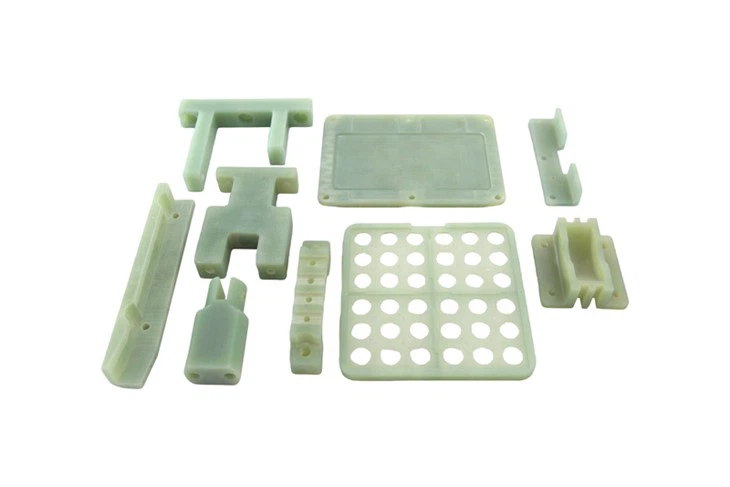
First off, let's talk about what epoxy machining parts are. Epoxy is a type of polymer that's known for its excellent adhesive properties, high strength, and good chemical resistance. When we machine epoxy, we can create all sorts of parts with precise shapes and dimensions. These parts can be used in a wide range of industries, but the aerospace industry is a whole different ballgame.
The aerospace industry has some of the strictest requirements when it comes to materials and components. Safety is the number one priority, and every part used in an aircraft or spacecraft has to meet extremely high standards. So, can epoxy machining parts meet these standards?
One of the key advantages of epoxy machining parts is their strength-to-weight ratio. In aerospace, weight is a critical factor. The lighter the aircraft or spacecraft, the less fuel it needs to carry, which means more efficiency and lower costs. Epoxy parts can be designed to be lightweight while still maintaining high strength, making them a great option for certain aerospace applications.
For example, in the interior of an aircraft, epoxy machining parts can be used for things like panels, brackets, and trim pieces. These parts don't have to withstand the extreme forces that the exterior components do, but they still need to be durable and lightweight. Epoxy parts can provide the perfect balance of these properties.
Another area where epoxy machining parts can shine is in the electronics systems of aerospace vehicles. Epoxy has good electrical insulation properties, which makes it suitable for use in circuit boards and other electronic components. It can also protect these components from moisture and other environmental factors, ensuring their reliability and longevity.
However, there are also some challenges when it comes to using epoxy machining parts in aerospace applications. One of the biggest challenges is the ability to withstand high temperatures. In aerospace, components can be exposed to extreme heat, especially during re-entry or high-speed flight. Epoxy has a relatively low thermal resistance compared to some other materials, so it may not be suitable for parts that are directly exposed to high temperatures.
Another issue is the potential for outgassing. Outgassing is the release of gases from a material when it's exposed to a vacuum or low-pressure environment, which is common in space. Some epoxy formulations can outgas, which can contaminate sensitive equipment and affect the performance of the spacecraft. So, it's crucial to choose the right epoxy material and ensure that it meets the outgassing requirements of the aerospace industry.
Despite these challenges, there are ways to overcome them. For example, by using special epoxy formulations that have been developed for high-temperature applications, or by applying protective coatings to the epoxy parts to reduce outgassing. At our company, we're constantly working on research and development to improve the performance of our epoxy machining parts and make them more suitable for aerospace applications.
We also offer Customized Epoxy Machining Parts and Customized Epoxy CNC Parts. Our team of experts can work closely with you to understand your specific requirements and design and manufacture parts that meet your exact needs. Whether you need a small batch of prototype parts or a large-scale production run, we've got the capabilities to deliver high-quality products on time.
If you're in the aerospace industry and you're looking for a reliable supplier of epoxy machining parts, I encourage you to get in touch with us. We'd love to have a chat with you about your project and see how we can help. We're confident that our epoxy machining parts can offer a viable solution for many aerospace applications, and we're committed to providing you with the best possible service and support.

In conclusion, while there are some challenges associated with using epoxy machining parts in aerospace applications, with the right materials, design, and manufacturing processes, they can be a great option. The strength-to-weight ratio, electrical insulation properties, and customization options make them attractive for certain aerospace components. So, if you're considering using epoxy machining parts in your aerospace project, don't hesitate to reach out and explore the possibilities.
References
- "Materials for Aerospace Applications" - A comprehensive guide on materials used in the aerospace industry.
- "Epoxy Polymers: Chemistry and Technology" - A book that delves into the properties and applications of epoxy polymers.