

As a supplier of polyester laminate sheets, I understand the critical importance of wear-resistance in these products. Polyester laminate sheets are widely used in various industries, including electrical engineering, mechanical manufacturing, and automotive applications. Their wear-resistance directly affects the durability and performance of the end products. In this blog, I will share some effective ways to improve the wear-resistance of polyester laminate sheets based on my practical experience and industry knowledge.
Understanding the Basics of Polyester Laminate Sheets
Before delving into the methods of enhancing wear-resistance, it's essential to have a basic understanding of polyester laminate sheets. These sheets are typically made by impregnating fiberglass or other reinforcing materials with polyester resin and then laminating them under heat and pressure. The resulting composite material offers a combination of mechanical strength, electrical insulation, and chemical resistance.
There are different types of polyester laminate sheets available in the market, such as UPGM203 Polyester Laminate Sheet, SMC Polyester Laminate Sheet, and GPO3 Polyester Laminate Sheet. Each type has its own unique properties and applications, but all of them can benefit from improved wear-resistance.
Selecting the Right Reinforcing Materials
The choice of reinforcing materials plays a crucial role in determining the wear-resistance of polyester laminate sheets. Fiberglass is one of the most commonly used reinforcing materials due to its high strength, stiffness, and chemical resistance. However, different types of fiberglass have different properties, and selecting the right one can significantly enhance wear-resistance.
For example, E-glass is a popular choice for general-purpose applications, but it may not provide the best wear-resistance. S-glass, on the other hand, has higher strength and stiffness, which can improve the wear-resistance of the laminate sheet. Additionally, using a combination of different types of fiberglass or adding other reinforcing materials, such as carbon fiber or aramid fiber, can further enhance the wear-resistance.
Optimizing the Resin System
The resin system used in polyester laminate sheets also has a significant impact on wear-resistance. Polyester resin is a thermosetting resin that provides the matrix for the reinforcing materials. By optimizing the resin formulation, we can improve the hardness, toughness, and chemical resistance of the laminate sheet, which in turn enhances its wear-resistance.
One way to optimize the resin system is to use a high-quality polyester resin with a high cross-link density. A higher cross-link density results in a more rigid and durable resin matrix, which can better withstand wear and abrasion. Additionally, adding additives, such as fillers, lubricants, or anti-wear agents, to the resin system can further improve the wear-resistance.
Controlling the Manufacturing Process
The manufacturing process of polyester laminate sheets can also affect their wear-resistance. Proper control of the manufacturing parameters, such as temperature, pressure, and curing time, is essential to ensure the quality and performance of the laminate sheet.
During the lamination process, it's important to ensure that the reinforcing materials are evenly impregnated with the resin and that there are no voids or defects in the laminate. Voids and defects can weaken the structure of the laminate sheet and reduce its wear-resistance. Additionally, controlling the curing process is crucial to ensure that the resin is fully cured and that the laminate sheet has the desired mechanical properties.
Surface Treatment
Surface treatment is another effective way to improve the wear-resistance of polyester laminate sheets. Applying a protective coating or finish to the surface of the laminate sheet can provide an additional layer of protection against wear and abrasion.
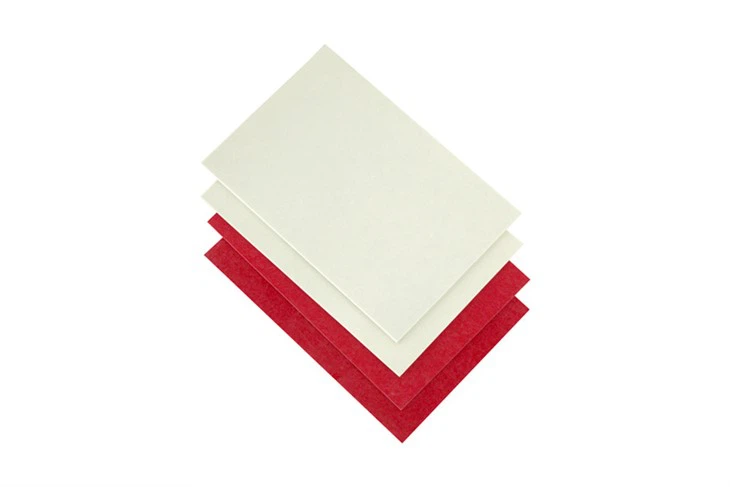

There are different types of surface treatments available, such as painting, powder coating, or applying a film. Each type of surface treatment has its own advantages and disadvantages, and the choice depends on the specific application and requirements. For example, a hard coating can provide excellent wear-resistance, but it may also affect the appearance and color of the laminate sheet.
Testing and Quality Control
Finally, testing and quality control are essential to ensure that the polyester laminate sheets meet the required wear-resistance standards. There are different types of tests available to evaluate the wear-resistance of laminate sheets, such as the Taber abrasion test, the sandpaper abrasion test, and the sliding wear test.
By conducting regular testing and quality control, we can identify any issues or defects in the laminate sheets and take corrective actions to improve their wear-resistance. Additionally, testing can also help us to optimize the manufacturing process and the material selection to achieve the best possible wear-resistance.
Conclusion
Improving the wear-resistance of polyester laminate sheets is a complex process that requires a combination of material selection, resin optimization, manufacturing process control, surface treatment, and testing. By following these steps, we can produce high-quality polyester laminate sheets that offer excellent wear-resistance and performance.
If you are interested in purchasing polyester laminate sheets with improved wear-resistance, please feel free to contact us for more information. We are a leading supplier of polyester laminate sheets and can provide you with the best products and solutions to meet your specific needs.
References
- "Handbook of Composites" by L. J. Broutman and R. H. Krock
- "Polymer Composites" by S. T. Peters
- "Advanced Composites Manufacturing" by P. K. Mallick