

As a supplier of G11 epoxy laminate sheets, I am often asked about the composition of these remarkable materials. G11 epoxy laminate sheets are widely used in various industries due to their excellent mechanical and electrical properties. In this blog post, I will delve into the components that make up G11 epoxy laminate sheets, exploring their functions and contributions to the overall performance of the material.
The Basics of G11 Epoxy Laminate Sheets
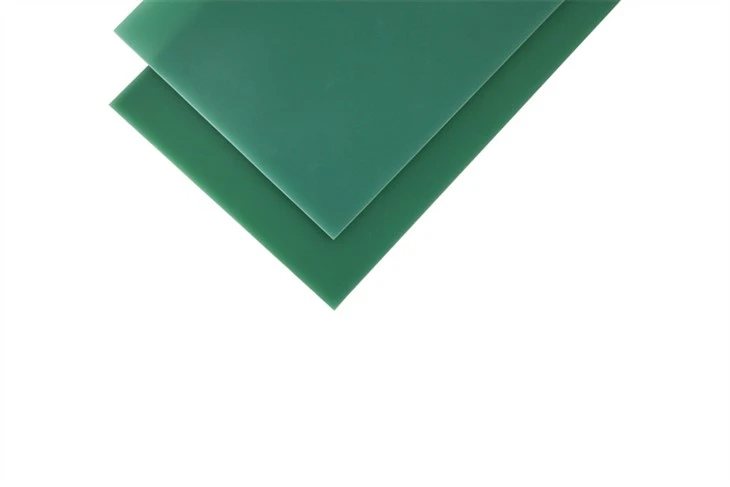
G11 epoxy laminate sheets are a type of composite material composed of multiple layers of glass fabric impregnated with epoxy resin. These sheets are known for their high strength, good electrical insulation, and resistance to moisture and chemicals. They are commonly used in electrical and electronic applications, such as transformers, motors, and printed circuit boards.
Composition of G11 Epoxy Laminate Sheets
Glass Fabric
The primary component of G11 epoxy laminate sheets is glass fabric. Glass fabric is made from fine glass fibers woven together to form a strong and flexible material. The glass fibers used in G11 epoxy laminate sheets are typically E-glass, which is known for its excellent electrical insulation properties and high strength.
The glass fabric provides the mechanical strength and dimensional stability of the G11 epoxy laminate sheet. It acts as a reinforcement material, helping to distribute the load evenly across the sheet and prevent cracking or deformation. The weave pattern of the glass fabric also affects the properties of the G11 epoxy laminate sheet, with different patterns offering varying levels of strength and flexibility.
Epoxy Resin
The second major component of G11 epoxy laminate sheets is epoxy resin. Epoxy resin is a thermosetting polymer that is known for its excellent adhesion, chemical resistance, and electrical insulation properties. It is typically a two-part system consisting of a resin and a hardener, which are mixed together before use.
The epoxy resin is used to impregnate the glass fabric, filling the spaces between the fibers and bonding them together. During the curing process, the epoxy resin undergoes a chemical reaction that causes it to harden and form a solid matrix. This matrix provides the electrical insulation and chemical resistance of the G11 epoxy laminate sheet, as well as protecting the glass fabric from environmental factors such as moisture and chemicals.
Additives
In addition to glass fabric and epoxy resin, G11 epoxy laminate sheets may also contain various additives to enhance their properties. These additives can include fillers, pigments, and flame retardants.

Fillers are used to improve the mechanical properties of the G11 epoxy laminate sheet, such as its strength and stiffness. Common fillers used in G11 epoxy laminate sheets include silica, alumina, and mica. These fillers can also help to reduce the cost of the material by replacing some of the more expensive epoxy resin.
Pigments are used to give the G11 epoxy laminate sheet a specific color. This can be useful for aesthetic purposes or for identification purposes in certain applications.
Flame retardants are used to improve the fire resistance of the G11 epoxy laminate sheet. These additives can help to prevent the material from catching fire and spreading flames in the event of a fire. Common flame retardants used in G11 epoxy laminate sheets include brominated compounds and phosphorus compounds.
Comparison with Other Epoxy Laminate Sheets
G11 epoxy laminate sheets are often compared with other types of epoxy laminate sheets, such as FR-4 Epoxy Laminate Sheet, EPGC308 Epoxy Laminate Sheet, and EPGC306 Epoxy Laminate Sheet. While these materials share some similarities, they also have some key differences in terms of their composition and properties.
FR-4 epoxy laminate sheets are the most commonly used type of epoxy laminate sheet. They are similar to G11 epoxy laminate sheets in that they are composed of glass fabric impregnated with epoxy resin. However, FR-4 epoxy laminate sheets typically use a different type of epoxy resin that is formulated to be flame retardant. This makes them suitable for applications where fire safety is a concern, such as in electrical and electronic equipment.
EPGC308 and EPGC306 epoxy laminate sheets are also similar to G11 epoxy laminate sheets, but they are specifically designed for use in high-voltage applications. These materials have a higher dielectric strength and better tracking resistance than G11 epoxy laminate sheets, making them suitable for use in transformers, switchgear, and other high-voltage equipment.
Applications of G11 Epoxy Laminate Sheets
G11 epoxy laminate sheets are used in a wide range of applications due to their excellent mechanical and electrical properties. Some of the common applications of G11 epoxy laminate sheets include:
- Electrical and Electronic Equipment: G11 epoxy laminate sheets are commonly used in electrical and electronic equipment, such as transformers, motors, and printed circuit boards. They provide electrical insulation and mechanical support, helping to ensure the reliable operation of the equipment.
- Aerospace and Defense: G11 epoxy laminate sheets are also used in the aerospace and defense industries due to their high strength and light weight. They are used in applications such as aircraft components, missile systems, and radar equipment.
- Automotive: G11 epoxy laminate sheets are used in the automotive industry for applications such as electrical insulation, battery separators, and engine components. They provide excellent resistance to heat, chemicals, and vibration, making them suitable for use in harsh automotive environments.
- Industrial: G11 epoxy laminate sheets are used in various industrial applications, such as machinery components, tooling, and fixtures. They provide high strength and dimensional stability, helping to improve the performance and reliability of the equipment.
Conclusion
In conclusion, G11 epoxy laminate sheets are a versatile and high-performance material composed of glass fabric impregnated with epoxy resin. The glass fabric provides the mechanical strength and dimensional stability of the sheet, while the epoxy resin provides the electrical insulation and chemical resistance. Additives can be used to enhance the properties of the G11 epoxy laminate sheet, such as its flame retardancy and mechanical strength.
G11 epoxy laminate sheets are used in a wide range of applications due to their excellent mechanical and electrical properties. They are commonly used in electrical and electronic equipment, aerospace and defense, automotive, and industrial applications.
If you are interested in purchasing G11 epoxy laminate sheets or have any questions about their composition or applications, please feel free to contact us. We are a leading supplier of G11 epoxy laminate sheets and can provide you with high-quality products and excellent customer service.
References
- "Epoxy Laminate Sheets: Properties, Applications, and Manufacturing." Composites World, 2023.
- "G11 Epoxy Laminate Sheet: A Comprehensive Guide." Engineering360, 2023.
- "Glass Fiber Reinforced Epoxy Composites: A Review." Journal of Composite Materials, 2022.