

Epoxy laminate sheets are widely used in various industries due to their excellent mechanical, electrical, and thermal properties. As a supplier of epoxy laminate sheets, I often receive inquiries about the maximum bending angle of these sheets. In this blog post, I will delve into this topic, exploring the factors that influence the maximum bending angle and providing some practical insights for our customers.

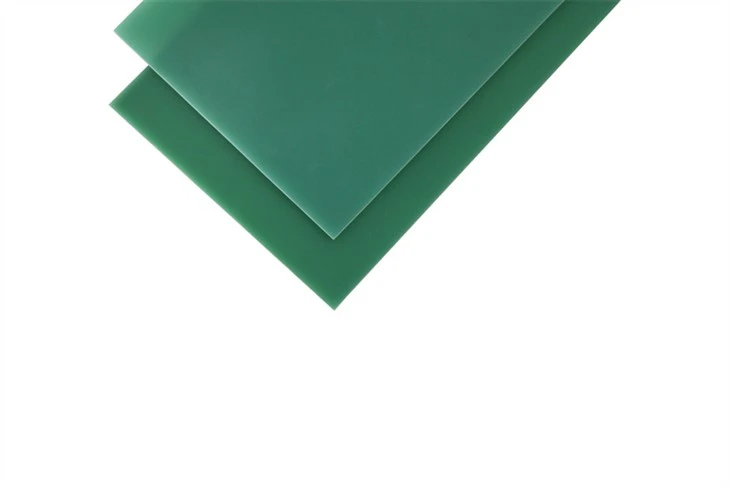
Understanding Epoxy Laminate Sheets
Epoxy laminate sheets are composite materials made by impregnating layers of fiberglass cloth or other reinforcing materials with epoxy resin and then curing them under heat and pressure. The resulting sheets are strong, lightweight, and have good dimensional stability. They are commonly used in electrical insulation, aerospace, automotive, and other industries where high performance is required.
There are several types of epoxy laminate sheets available in the market, each with its own unique properties and applications. Some of the popular types include FR-5 Epoxy Laminate Sheet, G10 Epoxy Laminate Sheet, and EPGC306 Epoxy Laminate Sheet. These sheets differ in terms of their resin systems, reinforcement materials, and manufacturing processes, which can affect their mechanical properties, including the maximum bending angle.
Factors Affecting the Maximum Bending Angle
The maximum bending angle of an epoxy laminate sheet is not a fixed value and can vary depending on several factors. Here are some of the key factors that influence the maximum bending angle:
1. Material Properties
- Resin System: The type of epoxy resin used in the laminate sheet plays a crucial role in determining its flexibility and bending properties. Some resin systems are more flexible than others, allowing for greater bending angles without cracking or delaminating.
- Reinforcement Material: The type and orientation of the reinforcement material, such as fiberglass cloth, also affect the bending properties of the sheet. Fiberglass cloth with a higher density or a specific weave pattern can provide greater strength and stiffness, but may also limit the bending angle.
- Thickness: The thickness of the epoxy laminate sheet is another important factor. Thicker sheets are generally less flexible and have a lower maximum bending angle compared to thinner sheets.
2. Temperature
Temperature can have a significant impact on the bending properties of epoxy laminate sheets. At higher temperatures, the resin becomes more flexible, allowing for greater bending angles. However, excessive heat can also cause the resin to soften or degrade, leading to a loss of strength and dimensional stability. On the other hand, at lower temperatures, the resin becomes more brittle, reducing the maximum bending angle.
3. Bending Method
The method used to bend the epoxy laminate sheet can also affect the maximum bending angle. There are several bending methods available, including cold bending, hot bending, and press bending. Each method has its own advantages and limitations, and the choice of method depends on the specific requirements of the application.
Determining the Maximum Bending Angle
To determine the maximum bending angle of an epoxy laminate sheet, it is important to conduct proper testing and analysis. Here are some steps that can be followed:
1. Material Selection
Choose the appropriate type of epoxy laminate sheet based on the specific requirements of the application, including the desired maximum bending angle, strength, and stiffness. Consider factors such as the resin system, reinforcement material, and thickness of the sheet.
2. Testing
Conduct bending tests on sample sheets to determine the maximum bending angle. The tests should be performed under controlled conditions, including temperature, humidity, and bending speed. Use a bending fixture or a press to apply a controlled amount of force to the sheet until it reaches its maximum bending angle without cracking or delaminating.
3. Analysis
Analyze the test results to determine the maximum bending angle of the epoxy laminate sheet. Consider factors such as the material properties, temperature, and bending method used in the tests. Compare the results with the specifications provided by the manufacturer to ensure that the sheet meets the required standards.
Practical Considerations
When working with epoxy laminate sheets, it is important to keep the following practical considerations in mind:
1. Safety
Always wear appropriate personal protective equipment (PPE) when handling epoxy laminate sheets, including gloves, safety glasses, and a respirator. Epoxy resin can be harmful if it comes into contact with the skin or is inhaled.
2. Handling
Handle the epoxy laminate sheets with care to avoid damage. Avoid bending or flexing the sheets beyond their maximum bending angle, as this can cause cracking or delaminating. Store the sheets in a dry, cool place to prevent moisture absorption and degradation.
3. Design
Consider the maximum bending angle of the epoxy laminate sheet when designing the application. Ensure that the sheet is properly supported and that the bending forces are distributed evenly to avoid stress concentrations. Use appropriate fasteners and adhesives to secure the sheet in place.
Conclusion
The maximum bending angle of an epoxy laminate sheet is a complex property that is influenced by several factors, including material properties, temperature, and bending method. As a supplier of epoxy laminate sheets, we understand the importance of providing our customers with high-quality products that meet their specific requirements. By conducting proper testing and analysis, we can help our customers determine the maximum bending angle of our sheets and choose the appropriate material for their applications.
If you have any questions or need further information about the maximum bending angle of our epoxy laminate sheets, please do not hesitate to contact us. We are always happy to assist you with your procurement needs and provide you with the best possible solutions.
References
- ASTM D790 - Standard Test Methods for Flexural Properties of Unreinforced and Reinforced Plastics and Electrical Insulating Materials
- ISO 178 - Plastics - Determination of Flexural Properties
- Manufacturer's specifications and technical data sheets for epoxy laminate sheets