

Hey there! As a supplier of EPGC202 epoxy laminate sheet, I often get asked about the modulus of rupture of this product. So, I thought I'd take a few minutes to break it down for you in plain English.
First off, let's talk about what the modulus of rupture actually means. In simple terms, it's a measure of a material's ability to withstand bending or flexing before it breaks. When we're dealing with EPGC202 epoxy laminate sheet, this is a crucial property because it tells us how well the sheet can handle stress in real - world applications.
Understanding the Basics of EPGC202 Epoxy Laminate Sheet
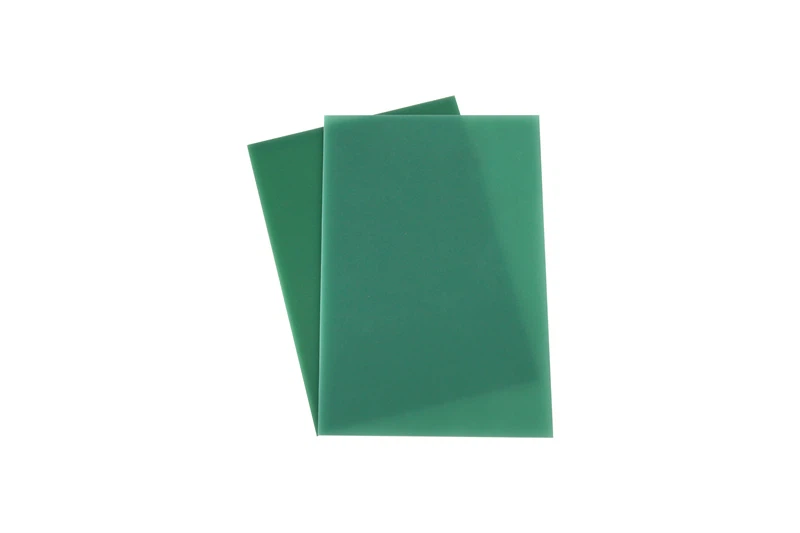
Before we dive into the modulus of rupture, let's quickly go over what EPGC202 epoxy laminate sheet is. It's a type of composite material made by combining epoxy resin with glass fiber. This combination gives the sheet some really great properties, like high mechanical strength, good electrical insulation, and resistance to heat and chemicals.
These features make EPGC202 epoxy laminate sheet super useful in a whole bunch of industries. You'll find it in electrical equipment, machinery, and even some automotive parts.
What Affects the Modulus of Rupture of EPGC202 Epoxy Laminate Sheet?
There are a few factors that can influence the modulus of rupture of EPGC202 epoxy laminate sheet.
1. Composition of the Material
The ratio of epoxy resin to glass fiber plays a big role. If there's too much resin, the sheet might be more flexible but less strong. On the other hand, if there's too much glass fiber, it could make the sheet brittle. We've spent a lot of time perfecting the composition of our EPGC202 sheets to get the right balance for optimal modulus of rupture.
2. Manufacturing Process
How the sheet is made also matters. The way the layers of glass fiber are arranged and how the epoxy resin is cured can affect the final strength of the sheet. We use state - of - the - art manufacturing techniques to ensure that our EPGC202 sheets have a consistent and high modulus of rupture.
3. Environmental Conditions
Things like temperature and humidity can have an impact on the modulus of rupture. In high - temperature environments, the epoxy resin might soften a bit, reducing the sheet's ability to withstand bending. Similarly, high humidity can cause the sheet to absorb moisture, which can also weaken it.
Measuring the Modulus of Rupture
So, how do we actually measure the modulus of rupture of EPGC202 epoxy laminate sheet? Well, there's a standard test for this. We take a sample of the sheet and place it on two supports. Then, we apply a load in the middle until the sheet breaks. The load at which the sheet breaks is used to calculate the modulus of rupture.
For EPGC202 epoxy laminate sheet, the typical modulus of rupture values can vary depending on the specific grade and thickness of the sheet. Generally, our sheets have a pretty high modulus of rupture, which means they can handle a good amount of stress before breaking.

Comparing with Other Epoxy Laminate Sheets
It's always interesting to see how EPGC202 stacks up against other types of epoxy laminate sheets. Let's take a look at a few popular ones:
- 3240 Epoxy Laminate Sheet: This is another common type of epoxy laminate sheet. While it has good mechanical and electrical properties, the modulus of rupture of EPGC202 is often higher, which means it can handle more stress in bending applications. Check out more about 3240 Epoxy Laminate Sheet.
- FR - 4 Epoxy Laminate Sheet: FR - 4 is well - known for its flame - retardant properties. However, in terms of modulus of rupture, EPGC202 can be a better choice if you need a sheet that can withstand high bending forces. You can learn more about FR - 4 Epoxy Laminate Sheet.
- EPGC308 Epoxy Laminate Sheet: EPGC308 is also a high - performance epoxy laminate sheet. The modulus of rupture of EPGC202 and EPGC308 are both good, but they might have different characteristics depending on the application. Find out more about EPGC308 Epoxy Laminate Sheet.
Why the Modulus of Rupture Matters in Applications
The modulus of rupture is a critical property in many applications. For example, in electrical equipment, the epoxy laminate sheet might be used as a support structure. If the sheet can't handle the stress from vibrations or mechanical forces, it could break, which could lead to equipment failure.
In machinery, the sheet might be used in parts that are subject to bending or flexing. A high modulus of rupture ensures that these parts can last a long time without breaking.
Quality Control and Assurance
As a supplier, we take quality control very seriously. We test every batch of our EPGC202 epoxy laminate sheets to make sure they meet our high standards for modulus of rupture and other properties. This way, you can be confident that you're getting a reliable product.
Conclusion
So, there you have it! The modulus of rupture of EPGC202 epoxy laminate sheet is an important property that tells us how well the sheet can handle bending stress. It's influenced by factors like composition, manufacturing process, and environmental conditions.
If you're in the market for a high - quality epoxy laminate sheet with a good modulus of rupture, EPGC202 could be the right choice for you. Whether you're in the electrical, machinery, or automotive industry, our EPGC202 sheets can meet your needs.
If you're interested in learning more or making a purchase, feel free to reach out. We're always happy to help you find the right product for your application and answer any questions you might have.
References
- ASTM D790 - Standard Test Methods for Flexural Properties of Unreinforced and Reinforced Plastics and Electrical Insulating Materials
- Various industry reports on epoxy laminate sheets