

Hey there! As a supplier of EPGC202 epoxy laminate sheets, I often get asked about the hardness of these sheets. So, I thought I'd dive into this topic and share some insights with you.
First off, let's understand what EPGC202 epoxy laminate sheets are. These sheets are made by impregnating glass fiber cloth with epoxy resin and then hot - pressing it. They are widely used in various industries, such as electrical and electronics, due to their excellent electrical insulation properties, mechanical strength, and heat resistance.
Now, when it comes to hardness, it's a crucial property that determines how well the sheet can withstand wear, deformation, and pressure. The hardness of EPGC202 epoxy laminate sheets is typically measured using different methods. One of the most common ways is the Rockwell hardness test.
The Rockwell hardness test involves pressing a hard indenter into the material under a specific load and then measuring the depth of the indentation. For EPGC202 epoxy laminate sheets, the Rockwell hardness value usually falls within a certain range. This range can vary depending on the manufacturing process, the quality of raw materials, and other factors. Generally, the hardness of EPGC202 sheets is high enough to make them suitable for applications where they need to resist mechanical stress.
In comparison with other types of epoxy laminate sheets, EPGC202 has its own unique hardness characteristics. For example, the FR - 5 Epoxy Laminate Sheet might have a different hardness level. FR - 5 sheets are also popular in the electrical industry, but their hardness is optimized for different applications. They might be more flexible in some cases, which means their hardness might be a bit lower compared to EPGC202 when it comes to pure resistance against deformation.
Another sheet, the EPGC308 Epoxy Laminate Sheet, has its own set of properties. EPGC308 is often used in high - voltage electrical equipment. Its hardness is designed to meet the requirements of these high - stress applications. Sometimes, EPGC308 might have a higher hardness than EPGC202, as it needs to withstand more intense mechanical and electrical forces.
The EPGC204 Epoxy Laminate Sheet is also in the same family of epoxy laminate sheets. Similar to EPGC202, it has good electrical and mechanical properties. However, the hardness of EPGC204 can be adjusted during the manufacturing process to suit different customer needs. There could be scenarios where EPGC204 has a hardness close to EPGC202, or it could be engineered to be either harder or softer.
The hardness of EPGC202 epoxy laminate sheets is affected by several factors. The type and amount of epoxy resin used play a significant role. Different epoxy resins have different chemical compositions, which can result in different hardness levels. For instance, a resin with a higher cross - linking density will generally produce a harder laminate sheet.
The glass fiber cloth used in the manufacturing process also impacts the hardness. The thickness, density, and quality of the glass fiber can all influence how hard the final sheet will be. A denser glass fiber cloth can provide more support and increase the overall hardness of the sheet.
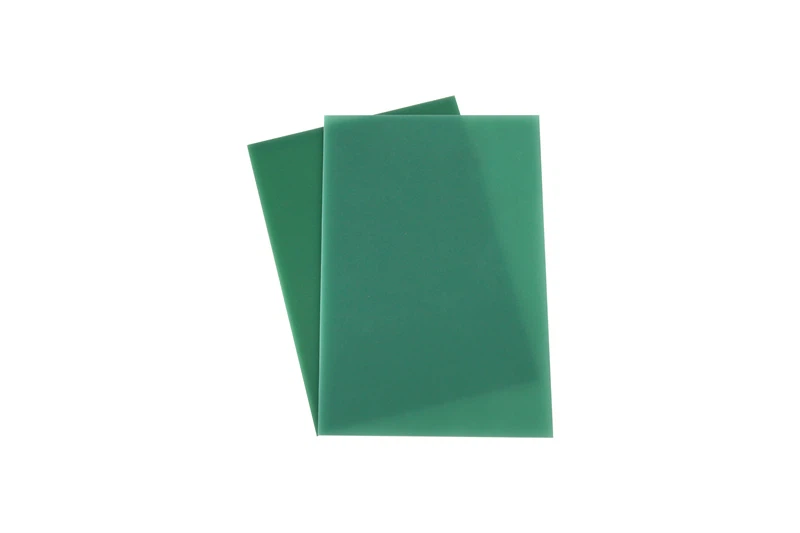

The curing process is another crucial factor. The temperature, pressure, and duration of the curing process can all affect the hardness of EPGC202 sheets. If the curing temperature is too low or the duration is too short, the resin might not fully cure, resulting in a softer sheet. On the other hand, over - curing can also cause problems, such as brittleness.
So, why is the hardness of EPGC202 epoxy laminate sheets so important? Well, in electrical applications, a hard sheet can better protect the internal components from mechanical damage. For example, in transformers or switchgear, the EPGC202 sheet needs to be hard enough to withstand the vibrations and impacts that occur during normal operation.
In mechanical applications, the hardness ensures that the sheet can be machined and fabricated without deforming easily. It can be cut, drilled, and shaped into various parts while maintaining its structural integrity.
When you're considering using EPGC202 epoxy laminate sheets for your project, it's essential to understand your specific requirements. If you need a sheet with high hardness for a high - stress application, you'll want to make sure the sheets you purchase meet those standards.
As a supplier, I can provide you with sheets that have been carefully tested for hardness and other properties. We use high - quality raw materials and strict manufacturing processes to ensure that our EPGC202 sheets have consistent and reliable hardness levels.
If you're interested in purchasing EPGC202 epoxy laminate sheets or have any questions about their hardness or other properties, feel free to reach out. We're here to help you find the best solution for your needs. Whether you're in the electrical, mechanical, or any other industry, our EPGC202 sheets can be a great choice.
In conclusion, the hardness of EPGC202 epoxy laminate sheets is a key property that makes them suitable for a wide range of applications. It's influenced by various factors, and understanding these factors can help you make an informed decision when choosing the right sheet for your project. So, don't hesitate to contact us if you want to discuss your requirements and start a procurement process.
References
- "Handbook of Epoxy Resins" by Lee and Neville
- Industry standards for epoxy laminate sheets