

Hey there! As a supplier of 3240 epoxy laminate sheets, I often get asked about their heat resistance. So, I thought I'd dive into this topic and share some insights with you all.
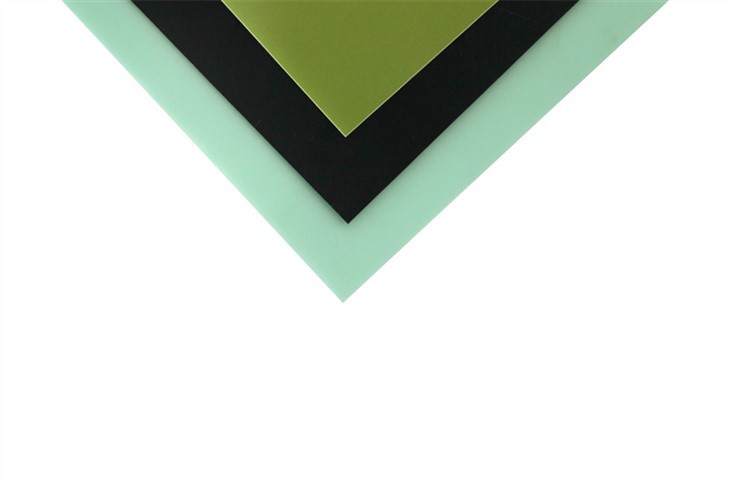
First off, let's understand what 3240 epoxy laminate sheet is. It's a widely - used material in various industries, known for its excellent electrical insulation properties, mechanical strength, and chemical resistance. You can check out more details about it 3240 Epoxy Laminate Sheet.
What Determines the Heat Resistance of 3240 Epoxy Laminate Sheet?
The heat resistance of 3240 epoxy laminate sheet is mainly determined by its chemical composition and manufacturing process. The epoxy resin used in the sheet plays a crucial role. Epoxy resins are known for their ability to form a strong cross - linked structure. When the sheet is heated, this cross - linked structure helps to maintain the integrity of the material up to a certain temperature.
During the manufacturing process, the way the glass fiber fabric is impregnated with the epoxy resin also affects heat resistance. A well - impregnated sheet will have better heat - resistant properties because the resin can effectively protect the glass fibers from the effects of heat.
Heat Resistance Ratings
The 3240 epoxy laminate sheet typically has a heat resistance rating of around 130°C (266°F). This means that it can maintain its mechanical and electrical properties under continuous exposure to temperatures up to this level. However, it's important to note that this is a general rating, and the actual performance can vary depending on several factors.
For short - term exposure, the sheet can withstand higher temperatures. For example, it might be able to handle temperatures up to 180°C (356°F) for a few hours without significant degradation. But if the temperature exceeds these limits for an extended period, the material will start to experience some changes.
Effects of High Temperatures
When the 3240 epoxy laminate sheet is exposed to temperatures above its heat resistance limit, several things can happen. First, the epoxy resin may start to break down. This can lead to a loss of mechanical strength, making the sheet more brittle and prone to cracking.
The electrical insulation properties can also be affected. As the resin breaks down, the sheet's ability to insulate electricity may decrease, which can be a major problem in applications where electrical safety is crucial.

In addition, high temperatures can cause the sheet to release some volatile organic compounds (VOCs). These VOCs not only pose a potential health risk but can also indicate that the material is deteriorating.
Comparing with Other Epoxy Laminate Sheets
It's interesting to compare the heat resistance of 3240 epoxy laminate sheet with other similar products. For instance, the G10 Epoxy Laminate Sheet generally has a higher heat resistance. G10 can typically withstand continuous temperatures of up to 150°C (302°F). This makes it a better choice for applications where higher temperatures are expected.
On the other hand, the EPGC204 Epoxy Laminate Sheet also offers different heat - resistant characteristics. EPGC204 is often used in more demanding environments and may have a heat resistance rating similar to or even higher than G10, depending on the specific formulation.
Applications Based on Heat Resistance
The heat resistance of 3240 epoxy laminate sheet makes it suitable for a wide range of applications. In the electrical industry, it's commonly used in transformers, switchgear, and printed circuit boards. Since these components usually operate at temperatures within the heat - resistant range of 3240, the sheet can provide reliable electrical insulation and mechanical support.
In the mechanical field, it can be used in parts that require both strength and heat resistance, such as machine bases and fixtures. However, for applications where the temperature is likely to exceed 130°C for long periods, other materials with higher heat resistance may be more appropriate.
Tips for Using 3240 Epoxy Laminate Sheet in High - Temperature Environments
If you plan to use 3240 epoxy laminate sheet in a high - temperature environment, here are some tips to keep in mind. First, make sure to monitor the temperature closely. If possible, use temperature sensors to ensure that the sheet is not exposed to temperatures above its limit.
Proper ventilation is also important. Good ventilation can help to remove any VOCs that may be released when the sheet is heated, reducing the potential health risks.
Finally, consider adding some heat - dissipating elements to your design. For example, you can use heat sinks or fans to help keep the temperature of the sheet within a safe range.
Conclusion
In conclusion, the 3240 epoxy laminate sheet has a decent heat resistance rating of around 130°C, which makes it suitable for many common applications. However, it's essential to understand its limitations and take appropriate measures when using it in high - temperature environments.
If you're interested in purchasing 3240 epoxy laminate sheet or have any questions about its heat resistance or other properties, feel free to reach out. We're here to help you find the best solution for your specific needs. Whether you're in the electrical, mechanical, or any other industry, we can provide high - quality 3240 epoxy laminate sheets that meet your requirements.
References
- "Epoxy Resins: Chemistry and Technology" by Clayton A. May.
- Industry standards and technical data sheets from epoxy laminate sheet manufacturers.