

When it comes to electrical insulation and structural support in various industries, G10 epoxy laminate sheets are a top choice. As a trusted supplier of G10 epoxy laminate sheets, I often receive inquiries about the thickness range of these versatile materials. In this blog post, I'll delve into the typical thickness range of G10 epoxy laminate sheets, their applications, and how the thickness can impact their performance.
Understanding G10 Epoxy Laminate Sheets
G10 epoxy laminate sheets are made by impregnating layers of glass fabric with an epoxy resin and then curing them under heat and pressure. This process results in a strong, rigid, and lightweight material with excellent electrical insulation properties, high mechanical strength, and good chemical resistance. These characteristics make G10 epoxy laminate sheets suitable for a wide range of applications, including electrical insulation in transformers, circuit boards, switchgear, and structural components in aerospace, automotive, and marine industries.
Thickness Range of G10 Epoxy Laminate Sheets
The thickness of G10 epoxy laminate sheets can vary significantly depending on the specific requirements of the application. Generally, G10 epoxy laminate sheets are available in a thickness range from as thin as 0.1 mm to as thick as 100 mm. However, the most commonly used thicknesses fall within the range of 0.5 mm to 25 mm.

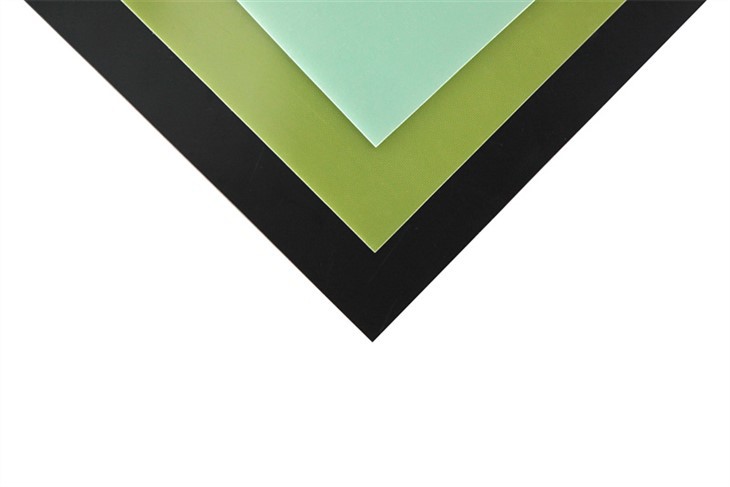
- Thin G10 Epoxy Laminate Sheets (0.1 mm - 1 mm)
Thin G10 epoxy laminate sheets are often used in applications where space is limited and weight is a concern, such as in printed circuit boards (PCBs) and flexible circuits. These thin sheets provide excellent electrical insulation and can be easily cut, drilled, and shaped to fit the specific design requirements. For example, in high - density PCBs, thin G10 sheets can be used as insulating layers between different conductive layers, helping to prevent short circuits and ensuring the proper functioning of the electronic components. - Medium - Thickness G10 Epoxy Laminate Sheets (1 mm - 10 mm)
Medium - thickness G10 epoxy laminate sheets are the most widely used in various industries. They offer a good balance between mechanical strength and electrical insulation properties. These sheets are commonly used in electrical insulation applications, such as in transformers, switchgear, and motor insulation. They can also be used as structural components in machinery and equipment, providing support and stability. For instance, in a motor, a medium - thickness G10 sheet can be used as an insulating barrier between the stator and the rotor, preventing electrical leakage and improving the efficiency of the motor. - Thick G10 Epoxy Laminate Sheets (10 mm - 100 mm)
Thick G10 epoxy laminate sheets are used in applications that require high mechanical strength and durability. They are often used in heavy - duty structural applications, such as in aerospace and marine industries. In aerospace, thick G10 sheets can be used as structural components in aircraft interiors, providing support and reducing weight. In the marine industry, they can be used in boat building for structural parts that need to withstand harsh environmental conditions, such as saltwater corrosion and high mechanical stresses.
Factors Affecting the Choice of Thickness
When selecting the appropriate thickness of G10 epoxy laminate sheets for a specific application, several factors need to be considered:
- Electrical Insulation Requirements: The higher the voltage and electrical stress in the application, the thicker the G10 sheet may need to be to provide adequate insulation. For example, in high - voltage transformers, thicker G10 sheets are used to prevent electrical breakdown and ensure the safety and reliability of the equipment.
- Mechanical Strength Requirements: If the G10 sheet is used as a structural component, the thickness needs to be sufficient to withstand the mechanical loads and stresses applied to it. For instance, in a machine frame, a thicker G10 sheet will be required to support the weight of the machine and any external forces acting on it.
- Space and Weight Constraints: In applications where space is limited or weight is a critical factor, thinner G10 sheets may be preferred. For example, in portable electronic devices, thin G10 sheets are used to minimize the overall size and weight of the device while still providing the necessary electrical insulation.
Applications of Different Thickness G10 Epoxy Laminate Sheets
- Electrical Industry
- In the electrical industry, different thicknesses of G10 epoxy laminate sheets are used for various purposes. Thin sheets are used in PCBs, as mentioned earlier. Medium - thickness sheets are used in electrical switchgear, where they act as insulating barriers between different electrical components, preventing arcing and short - circuits. Thick sheets can be used in high - voltage transformers as insulating bushings and structural supports.
- Aerospace Industry
- In the aerospace industry, G10 epoxy laminate sheets are used for both electrical insulation and structural applications. Thin sheets can be used in avionics systems for electrical insulation, while medium and thick sheets are used in aircraft interiors for partitions, panels, and structural supports. Their high strength - to - weight ratio makes them an ideal choice for aerospace applications, where weight reduction is crucial for fuel efficiency.
- Automotive Industry
- In the automotive industry, G10 epoxy laminate sheets are used in electric vehicles (EVs) and hybrid electric vehicles (HEVs). Thin sheets can be used in the battery management systems for electrical insulation, while medium - thickness sheets can be used in the motor controllers and power electronics. Thick sheets may be used in the structural components of the vehicle's electrical system, providing support and protection.
Comparing G10 with Other Epoxy Laminate Sheets
In addition to G10 epoxy laminate sheets, there are other types of epoxy laminate sheets available in the market, such as EPGC202 Epoxy Laminate Sheet and EPGC204 Epoxy Laminate Sheet. While these sheets share some similarities with G10, they also have some differences in terms of their properties and applications.
- EPGC202 Epoxy Laminate Sheet: EPGC202 is a glass fiber - reinforced epoxy laminate sheet with excellent heat resistance and mechanical strength. It is often used in applications where high - temperature resistance is required, such as in electric motors and generators. The thickness range of EPGC202 is similar to that of G10, but it may be more suitable for applications in high - temperature environments.
- EPGC204 Epoxy Laminate Sheet: EPGC204 is another type of glass fiber - reinforced epoxy laminate sheet with enhanced mechanical and electrical properties. It is commonly used in high - voltage electrical equipment, such as switchgear and transformers. The thickness range of EPGC204 also overlaps with that of G10, but it may offer better performance in high - voltage applications.
Conclusion
The thickness range of G10 epoxy laminate sheets is quite broad, from 0.1 mm to 100 mm, allowing for a wide range of applications in different industries. Whether you need a thin sheet for a compact electronic device or a thick sheet for a heavy - duty structural application, there is a G10 epoxy laminate sheet available to meet your needs. As a supplier of G10 Epoxy Laminate Sheet, we have the expertise and resources to provide you with high - quality G10 sheets in the right thickness for your specific application.
If you are interested in purchasing G10 epoxy laminate sheets or have any questions about their thickness, properties, or applications, please feel free to contact us. We are more than happy to assist you in finding the best solution for your project.
References
- "Handbook of Epoxy Resins" by Henry Lee and Kris Neville
- "Advanced Composite Materials for Aerospace Engineering" by John W. Weeton, David M. Peters, and Kenneth L. Thomas